rates €1.37 billion biorefinery in Leuna to turn wood into chemicals
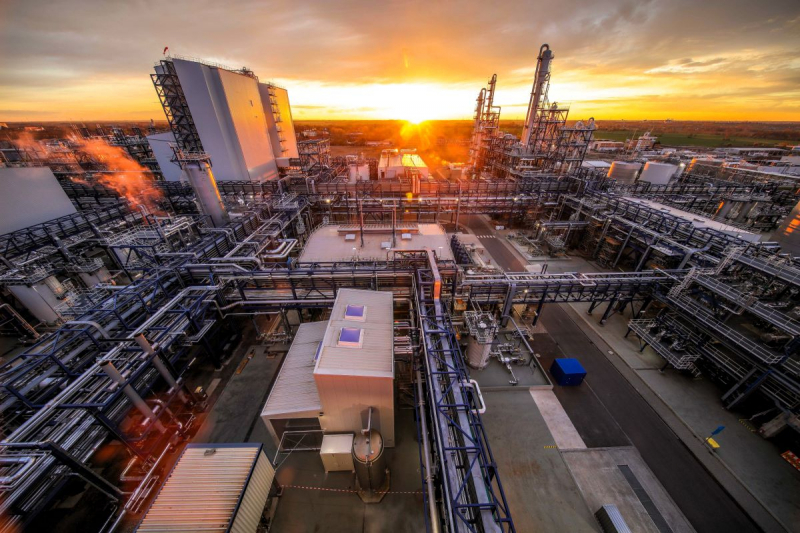
UPM inaugurated its new biorefinery in Leuna, Germany, on October 15. The facility converts wood and sawmill residues into renewable biochemicals that can replace fossil-based raw materials. It has an annual capacity of 220,000 tonnes and represents a total investment of €1.37 billion.

According to UPM, the Leuna biorefinery is the largest facility of its kind in the world. Ramp-up is continuing, with enzymatic hydrolysis and the production of lignin-derived specialty chemicals now operating steadily. UPM is increasing sales of these products.
“The Leuna Biorefinery is a transformative investment for UPM and an important milestone in our growth journey. Our high-performance renewable chemicals open new markets for UPM and new opportunities for our customers. Together with our renewable fuels, the Leuna Biorefinery forms a platform for profitable growth and shows the ambition and energy with which UPM innovates,” said Massimo Reynaudo, President and CEO of UPM.

Raw materials sourced within about 200 kilometres
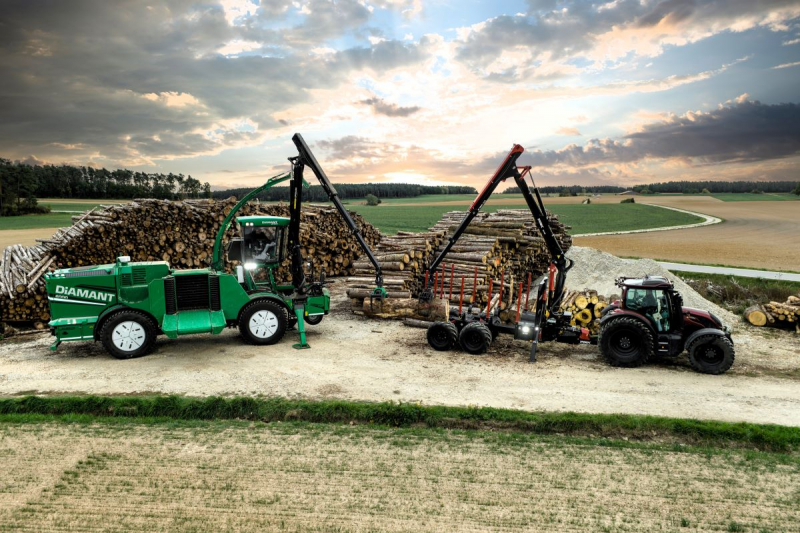
The biorefinery uses beechwood from thinnings and sawmill residues sourced within approximately 200 kilometres of the facility.
According to UPM, these raw materials are unsuitable for higher-value uses such as sawn timber or furniture production. The wood comes from sustainably managed forests.
Through enzymatic hydrolysis, the facility breaks down biomass into industrial sugars and lignin. These renewable raw materials can replace fossil-based inputs in chemical production.
Biochemicals for clothing, packaging and tyres
The biochemicals will be used in everyday products, including clothing, packaging, cosmetics, construction materials and tyres. Many of these products are still made using fossil-based raw materials.
UPM says its Leuna products offer manufacturers and brands renewable alternatives that meet the required performance standards.
The company also sees the investment as a milestone for Europe’s bioeconomy. Moving renewable carbon-based solutions from pilot projects to commercial-scale production can reduce dependence on imported fossil-based value chains and strengthen security of supply.
“Europe’s competitiveness depends on creating new industries and scaling innovation. With Leuna, UPM turns Europe’s strengths in science and engineering into a new growth business,” Reynaudo said.