Södra returns to profit in Q3, supported by Sunpine divestment
Södra reported an operating profit of SEK 267 million for the third quarter of 2026, compared with a loss of SEK 360 million a year earlier. Higher pulp deliveries and lower overheads supported the improvement, but the result included a SEK 288 million capital gain from the sale of its holding in Sunpine. Excluding this gain, the Group posted an operating loss of SEK 21 million.
Net sales increased by 2 percent year-on-year to SEK 6,492 million, while the reported operating margin was 4 percent. Higher prices for energy products also contributed to the earnings improvement.
Despite the stronger result, Södra said market conditions remained challenging, with subdued demand and a continued imbalance between raw material costs and product prices.
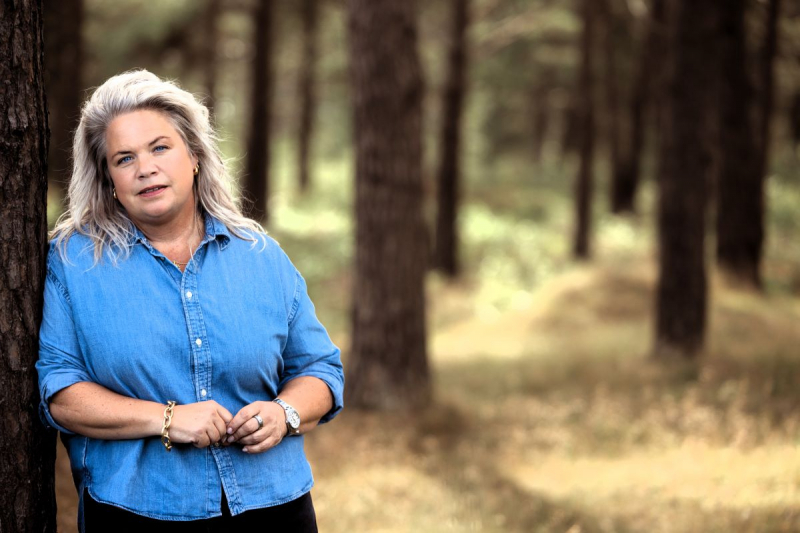
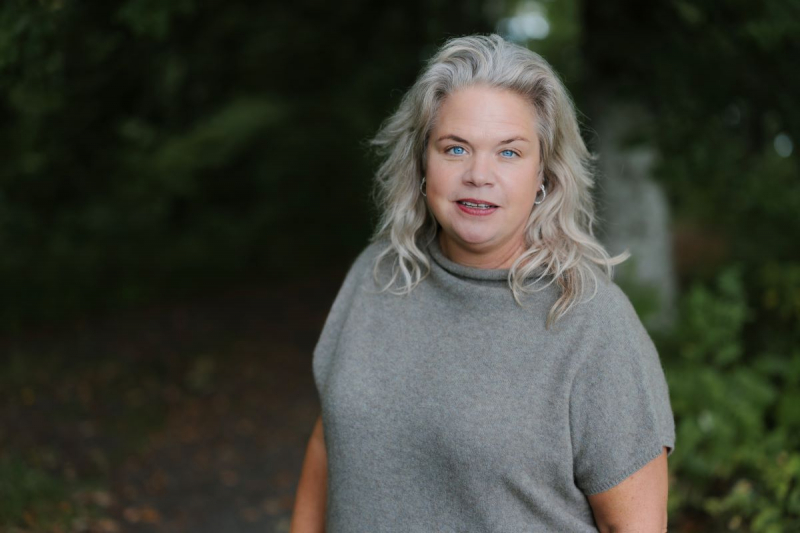
“Earnings are moving in the right direction, and we can see that our intensive efforts in areas that we ourselves can control are yielding results,” said Lotta Lyrå, President and CEO.
“The performance of the pulp business is improving, the contribution margin is stronger and our overheads decreased by SEK 200 million compared with the same period last year.”

Pulp improves as sawn timber losses deepen
Södra Cell reported an operating profit of SEK 380 million, compared with a loss of SEK 80 million in the third quarter of 2025. Higher delivery volumes, lower overheads and a weaker Swedish krona against the US dollar supported the improvement.
However, global pulp supply continued to exceed demand, putting downward pressure on paper pulp prices. Demand for paper and board remained weak in several markets.
Conditions were particularly difficult for the sawn timber business. Södra Wood’s operating loss widened to SEK 256 million from SEK 103 million a year earlier, reflecting lower delivery volumes, lower market prices and higher raw material costs.
Sawn timber demand remained low in several key markets, including the UK and the US. The Netherlands, Poland and Sweden showed a more stable trend.
“Meanwhile, profitability is still not where it needs to be, not least because of the very challenging situation facing the sawn timber business. We are therefore continuing our transition with undiminished vigour and focusing fully on strengthening our competitiveness,” Lyrå said.
Lower margins weigh on Södra Skog
Södra Skog recorded an operating loss of SEK 75 million, compared with a loss of SEK 32 million a year earlier. Lower margins and reduced delivery volumes weighed on revenue and earnings.
Södra Building Systems narrowed its operating loss to SEK 37 million from SEK 51 million. Growth and higher delivery volumes supported the result, although higher raw material costs partly offset the improvement. Export activity increased, while weak construction activity continued to affect the cross-laminated timber market.
Södra Bioproducts’ sales rose to SEK 916 million from SEK 674 million, primarily driven by strong demand for tall oil and electricity. Its earnings are reported within “Other business areas”.
Markets for turpentine and biomethanol also performed well, while demand for dissolving pulp remained healthy, supported by low customer inventories.
Cost reductions and new forest-based products
Södra continued its cost control and efficiency measures during the quarter. Under its Södra Leap action programme, overheads fell by SEK 200 million year-on-year, a reduction of approximately 15 percent. The Group also reported SEK 181 million in efficiency measures and improvements implemented during the quarter.
Alongside these measures, Södra began small-scale pilot production of lignin. Its new tannin facility at Värö entered the commissioning phase and production commenced. Both initiatives aim to generate more value from members’ forest raw materials.
The Group also launched Enriched by Södra, an offering designed to help customers communicate the value and origin of the forest-based products they use. Varberg Energi became its first customer.
“While we are improving our efficiency and cost position, we are also developing new business opportunities, strengthening our commercial capabilities across the value chain and creating more value from every tree,” Lyrå said.