UPM’s earnings decline – pulp production curtailments continue in Finland
UPM’s comparable EBIT fell by 8% year on year in the third quarter. Customer destocking and rising costs weighed on earnings, while cash flow strengthened. In Finland, pulp production was curtailed at Kaukas, with further curtailments planned at Pietarsaari in the final quarter.

UPM’s sales from continuing operations totalled €2,202 million in July–September, compared with €2,226 million a year earlier. Comparable EBIT decreased from €142 million to €131 million, representing 5.9% of sales.
Delivery volumes declined as customers reduced their inventories, while variable costs increased. Pricing actions partly offset these effects. Group operating cash flow strengthened to €420 million from €218 million, supported by improved working capital efficiency.
“This was a softer quarter following a strong first half. The broader global uncertainty and persistently high energy costs were visible in more cautious customer activity,” says Massimo Reynaudo, UPM’s President and CEO.
For January–September, comparable EBIT from continuing operations nevertheless increased by 10% to €601 million. Sales declined to €6,983 million from €7,140 million a year earlier.
Eight weeks of production curtailments at Kaukas
UPM Fibres’ results improved in the third quarter. Fibres South continued to deliver strong profitability, while Fibres North returned to positive comparable EBIT. According to UPM, pulp demand and market prices increased moderately after a seasonally slower summer.
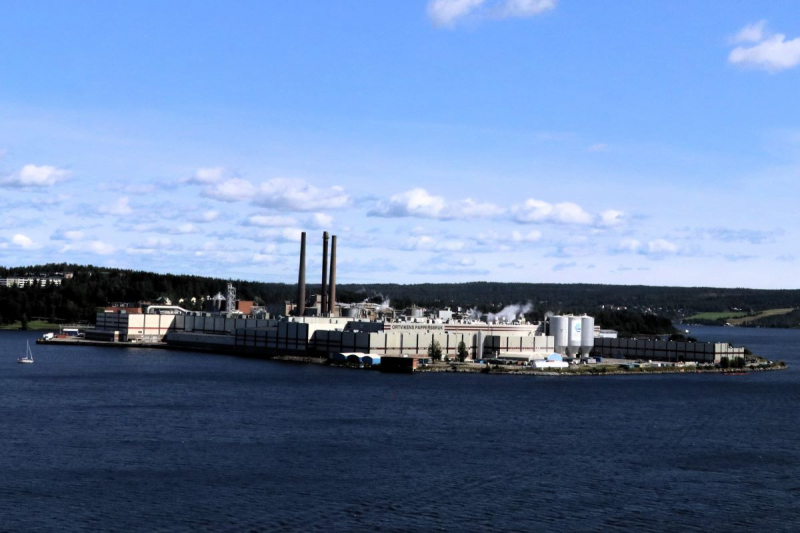
However, challenging softwood pulp markets continued to affect production in Finland. Production at the Kaukas pulp mill was curtailed for eight weeks to optimise production and wood sourcing and ensure profitability. UPM will curtail production at the Pietarsaari mill for five weeks in the final quarter.
Good demand and pricing supported earnings in renewable fuels. UPM Energy reported broadly stable performance despite a maintenance shutdown at the Olkiluoto 3 nuclear power unit during the quarter.
UPM Adhesive Materials and UPM Specialty Materials recorded lower earnings as delivery volumes declined. Customers reduced inventories particularly heavily in Europe. Both businesses nevertheless maintained stable margins despite higher input costs.
Leuna production start delayed
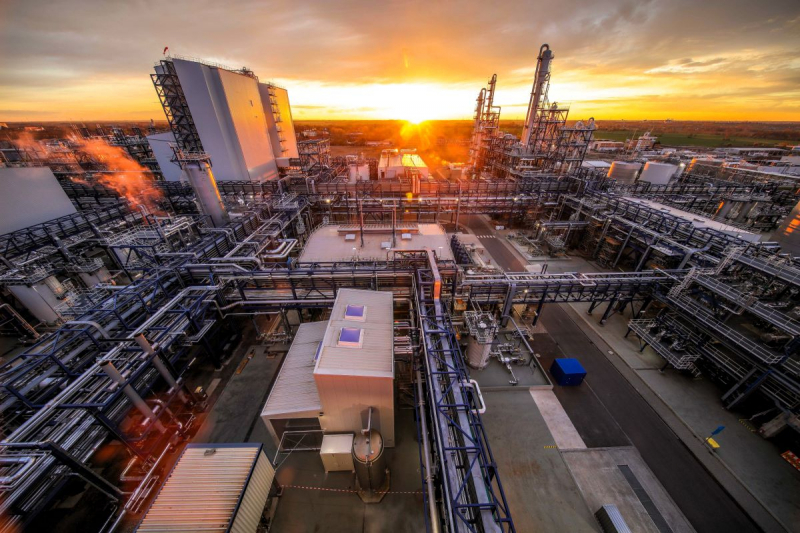
UPM now expects integrated production at its Leuna biorefinery in Germany to start in the second quarter of 2027, approximately six months later than previously anticipated. Nominal capacity is expected to be reached in early 2028.
The delay concerns the third of the refinery’s core processes, which converts sugars into glycols. Commissioning has identified a need for modifications.
According to UPM, the other two core processes have been tested and are in production. Renewable Functional Fillers have reached production readiness, with customer qualification volumes to be produced in the fourth quarter. The biorefinery was inaugurated after the reporting period.

Plywood demerger advances, paper joint venture under review
The separation of UPM’s plywood business into WISA Group is progressing under the demerger plan approved in August. Trading in the new company’s shares is scheduled to begin on Nasdaq Helsinki in November.
UPM Plywood is reported as discontinued operations and is therefore excluded from the sales and earnings figures for continuing operations.

In graphic papers, declining demand and overcapacity limited UPM’s ability to pass higher energy costs on to customers. Preparations for the planned graphic paper joint venture with Sappi continued, but the transaction remains subject to merger control approvals.
The European Commission restated its serious concerns about the transaction in early October. UPM says discussions on potential remedies have begun.
Pricing and seasonal demand to support year-end performance
UPM expects comparable EBIT from continuing operations to be between €375 million and €575 million in the second half of 2026. The corresponding figure for the second half of 2025 was €479 million.
Delivery volumes are expected to be lower than in the first half of 2026, while variable costs are forecast to rise. Moderately higher sales prices and a seasonally stronger final quarter for Energy and Fibres are expected to support performance. Increased maintenance activity and the production ramp-up at Leuna are expected to add to costs.
Key figures for Q3 2026
Figures in brackets refer to Q3 2025. Sales and earnings figures cover continuing operations.
- Sales: €2,202 million (€2,226 million)
- Comparable EBIT: €131 million (€142 million)
- Comparable EBIT margin: 5.9% (6.4%)
- Operating profit: €112 million (€47 million)
- Operating cash flow, total group: €420 million (€218 million)
- Net debt at the end of the period, total group: €2,993 million (€3,218 million)