Metsä Board improves earnings as operating rates rise at Finnish mills
Metsä Board’s comparable operating result improved to a profit of EUR 5.5 million in July–September, compared with a loss of EUR 45.6 million a year earlier. Profitability benefited from the company’s own improvement measures, firmer paperboard prices and approximately EUR 10 million in tariff refunds. Order books strengthened at Finnish paperboard mills, while the Husum mill complex remained loss-making.

Metsä Board’s third-quarter sales fell to EUR 402.3 million from EUR 441.2 million a year earlier. However, its comparable operating result improved for the fourth consecutive quarter, reaching EUR 5.5 million. In the preceding quarter, comparable operating profit was EUR 3.1 million.
Reported operating profit was EUR 1.1 million, compared with a loss of EUR 44.8 million a year earlier. Net cash flow from operations reached EUR 22.3 million, exceeding the company’s expectations but remaining well below the EUR 122.0 million recorded in the comparison period.
Paperboard delivery volumes remained stable compared with the preceding quarter, while average prices strengthened slightly. Major annual maintenance shutdowns and a prolonged market-related shutdown at Husum in July weighed on profitability. Approximately EUR 10 million in tariff refunds helped offset high logistics costs and supported earnings.
Finnish mills benefit from stronger order books
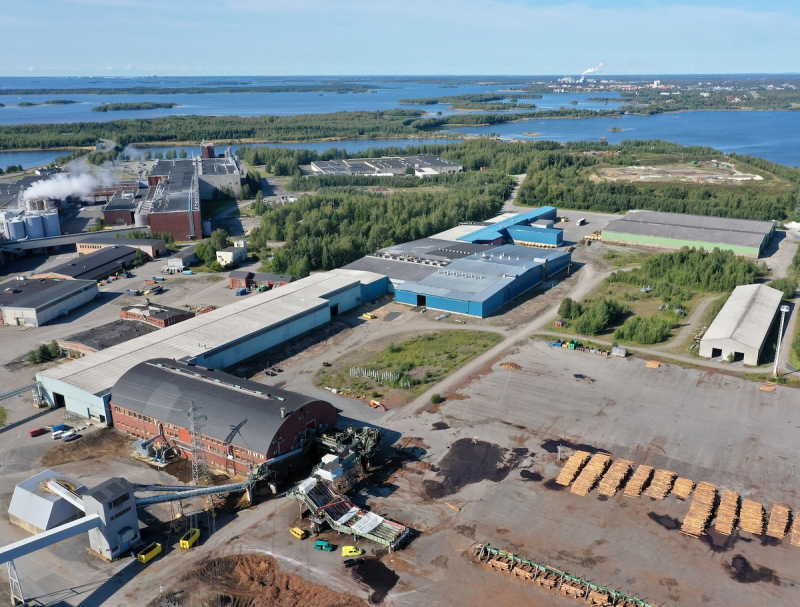
According to Metsä Board CEO Esa Kaikkonen, demand at the company’s Finnish paperboard mills was good. Stronger order books also helped improve operating rates.
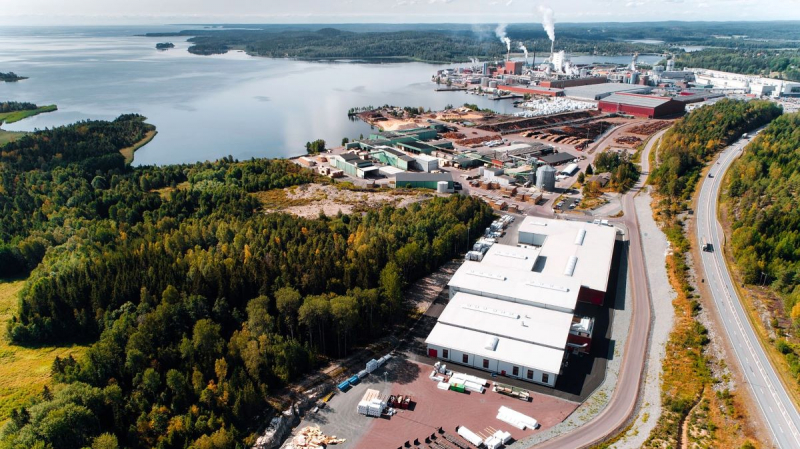
The situation remained more difficult at Husum in Sweden. Operating rates stayed low, and the mill complex continued to make a loss despite the measures taken.
“During the current year, the paperboard market has gradually improved, and our own measures have supported earnings development. However, our comparable operating margin and return on capital employed for the reporting period were still around zero, so our profitability remains clearly below our target level. We will continue taking determined action to improve it,” Kaikkonen said.
Production at the Winschoten sheeting facility in the Netherlands reached its planned level. Higher sheeting volumes are expected to support a gradual increase in folding boxboard production at Husum.

Transformation programme delivers earnings benefits
Metsä Board said its transformation programme progressed as planned. By the end of September, the measures implemented had an estimated annual EBITDA improvement run rate of approximately EUR 148 million. Around EUR 99 million in benefits had been realised in reported EBITDA.
The company also made progress in commercial initiatives involving pricing, customer segmentation and service models. Their earnings contribution is expected to strengthen next year.
January–September sales amounted to EUR 1,227.9 million, down from EUR 1,382.2 million a year earlier. The comparable operating result remained negative at EUR 2.2 million, compared with a loss of EUR 45.5 million in the corresponding period. Net cash flow from operations for the first nine months was negative at EUR 39.5 million.
Pulp market remains subdued as cost pressures increase
Market pulp demand and prices remained subdued during the third quarter, and the production shutdown at Metsä Fibre’s Joutseno mill continued.
Metsä Board expects demand for market softwood pulp to remain weak in the coming months. However, production curtailments and capacity closures are expected to gradually improve the market balance. The company expects Metsä Fibre’s result to improve in the fourth quarter compared with the preceding quarter.
According to Metsä Board, the improved balance in the paperboard market supports pricing and provides a better starting point for year-end annual negotiations. Nevertheless, demand remains uncertain, while energy, logistics and chemical costs face upward pressure.
The company expects paperboard delivery volumes to decline seasonally in October–December compared with the preceding quarter. Previously implemented price increases should support profitability, but energy costs are expected to rise. The tariff refunds that supported third-quarter earnings will not recur in the final quarter.
Maintenance costs are expected to decrease, while other fixed costs, particularly personnel expenses, are forecast to rise. Metsä Board will continue adjusting production to demand when necessary.