EOS: Europe needs policies that strengthen competitiveness and secure raw material supply
The European Organisation of the Sawmill Industry (EOS) held its General Assembly in Brussels, preceded by a networking event that brought together representatives from across the forestry and wood value chain as well as policymakers.

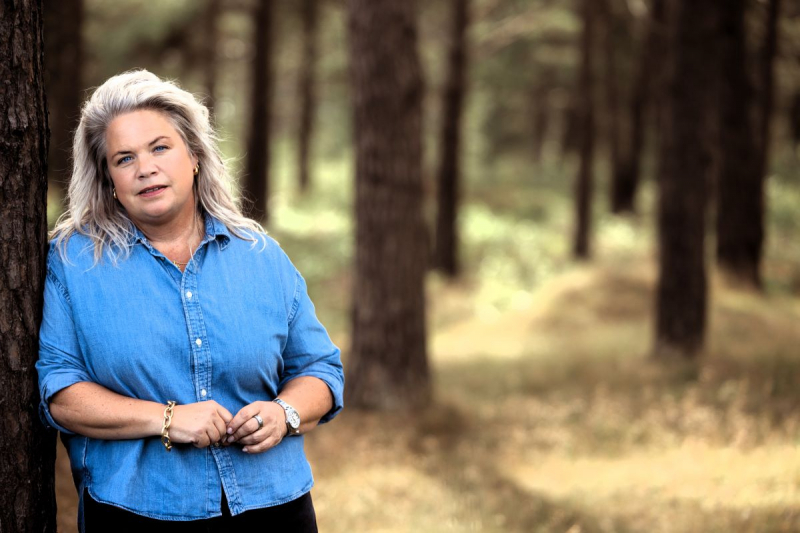
Opening the event, EOS President Tommi Sneck highlighted the importance of cooperation throughout the sector and reaffirmed the strategic role of the sawmill industry in Europe’s bioeconomy. With nearly 32,000 companies, more than 220,000 employees and annual turnover exceeding EUR 51 billion, the industry remains a key supplier of renewable, sustainable and low-carbon materials.
A central theme of the discussions was the growing pressure on raw material supply caused by climate change, pest outbreaks and policy developments. EOS stressed that forest protection and sustainable forest management must go hand in hand with securing a stable supply of renewable raw materials for European industries.
EOS Vice-President for Hardwood Maria Kiefer-Polz highlighted the specific challenges facing the hardwood sector, including long-standing shortages of logs and declining domestic consumption. At the same time, she underlined the significant opportunities offered by hardwood resources, particularly in construction and other high-value applications.
The General Assembly also featured a presentation by Frida Sund Falkevik of the European Commission’s DG CLIMA on recent developments concerning the LULUCF Regulation and the future EU climate policy framework beyond 2030. Participants also received an update from Gonzalo González Jurado of DG ENV on the new Birds Directive Guidance and the ongoing stress test of the Birds and Habitats Directives.
The presentations provided a basis for constructive discussions on the potential implications of current and future EU legislation for the forest-based sector.
As part of the event, EOS officially presented its Annual Report, which reviews recent market developments, policy activities and key achievements of the European sawmill industry. EOS expressed its gratitude to this year’s sponsors: COMACT, Indufor, Incomac, Mayr-Melnhof Holz, MICROTEC and Russ Taylor Global.
According to data from EOS members, sawn softwood production in EOS countries declined by 1.5% in 2025 and is expected to contract slightly again in 2026 due to challenging market conditions, particularly in Europe, where construction activity remains subdued. Softwood production peaked in 2021 and fell by around 10% over the following two years. Since 2023, production has stabilised, although at a lower level than before the pandemic.
The hardwood sector shows a similar trend. Sawn hardwood production increased by 0.2% in 2025 compared with 2024, following a sharp decline from the 2021 peak. A modest increase is expected in 2026.
The Annual Report also includes an analysis of European construction markets and wood’s market share as a building material across numerous countries, as well as a review of EOS advocacy activities during the past year.
In addition, the report examines raw material availability and summarises findings from FOREST EUROPE’s flagship publication State of Europe’s Forests 2025. According to the report, European forests continue to accumulate standing volume and remain within sustainable limits. Forest growing stock continues to increase, with annual growth consistently exceeding harvesting levels.
The General Assembly concluded with a clear message: Europe needs policies that protect forests, support sustainable forest management, secure access to raw materials, and enable the entire forest-based value chain to invest, innovate and contribute to Europe’s climate and industrial goals.