JUNA surpasses 100 electric trucks in operation across Europe
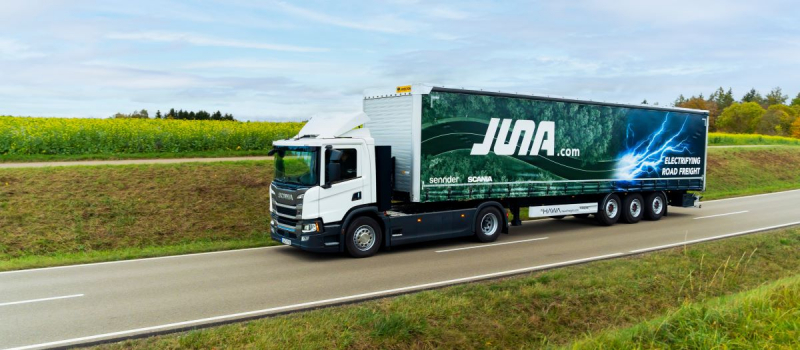
JUNA, the electric-truck-as-a-service joint venture between Scania and sennder, now has more than 100 electric trucks operating in Europe. The fleet currently comprises around 110 vehicles in Germany, Italy, Poland and the Netherlands, with the company aiming to reach approximately 150 trucks by the end of the year.

JUNA was established just over two years ago to make the transition to electric heavy-duty transport easier for both transport buyers and carriers. Instead of requiring carriers to purchase or finance electric trucks themselves, JUNA provides vehicles through a flexible pay-per-use model.
The company works with shippers and freight forwarders to identify routes suitable for electrification and integrate electric trucks into existing transport networks. Carriers operating the routes receive vehicles as well as support with route and usage analysis and technical expertise.
According to JUNA, the model is particularly relevant for smaller transport companies. Electric trucks can cost two to three times as much as comparable diesel vehicles, while around 70 percent of trucks in Europe are operated by carriers with fleets of fewer than ten vehicles.
“Reaching 100 trucks across four markets shows that this proof point is real and gives us a strong foundation for continued growth,” says Gustaf Sundell, Executive Vice President and Head of Ventures and New Business at Scania Group.
David Nothacker, Co-founder and CEO of sennder, says the transition to electric road freight requires solutions that can be integrated into existing carrier and subcontractor networks.
“The transition to electric road freight requires solutions that fit real transport networks and can be deployed across carrier and subcontractor operations,” Nothacker says.
3.9 million kilometres driven
Since its first electric trucks entered service just over two years ago, JUNA’s fleet has covered a total of 3.9 million kilometres. The trucks are used both in international transport across several countries and on shorter daily shuttle routes.
JUNA is already working with major shippers and their carrier networks. The company has partnered with Nestlé to reduce CO₂ emissions on its transport routes and supports regional logistics for Beiersdorf in Hamburg.
JUNA Managing Director and CEO Matteo Oberto says the combination of route analysis, technical expertise and a flexible commercial model is intended to make electric trucks economically viable for carriers of different sizes.
JUNA plans to continue expanding its European fleet. With around 110 trucks currently in operation, the company expects the number to increase to approximately 150 by the end of 2026.