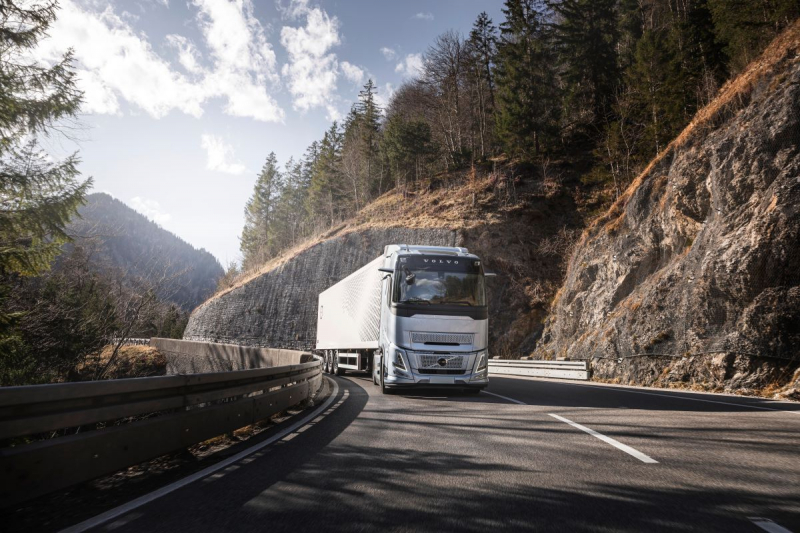
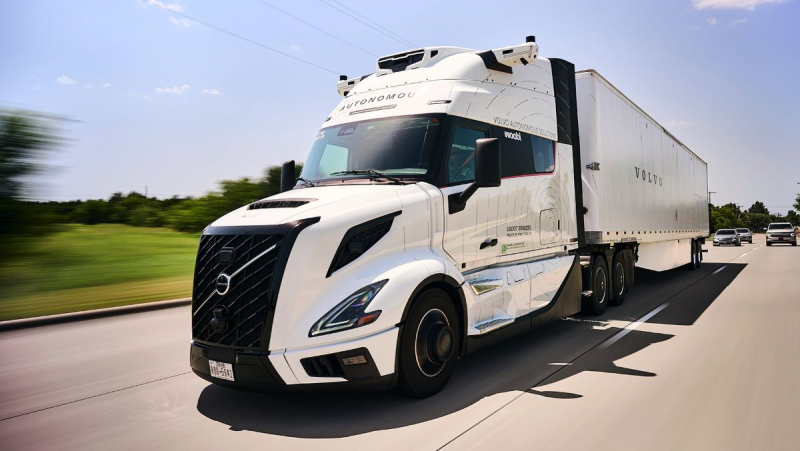
Reinert Logistics orders 500 gas-powered Volvo FH Aero trucks
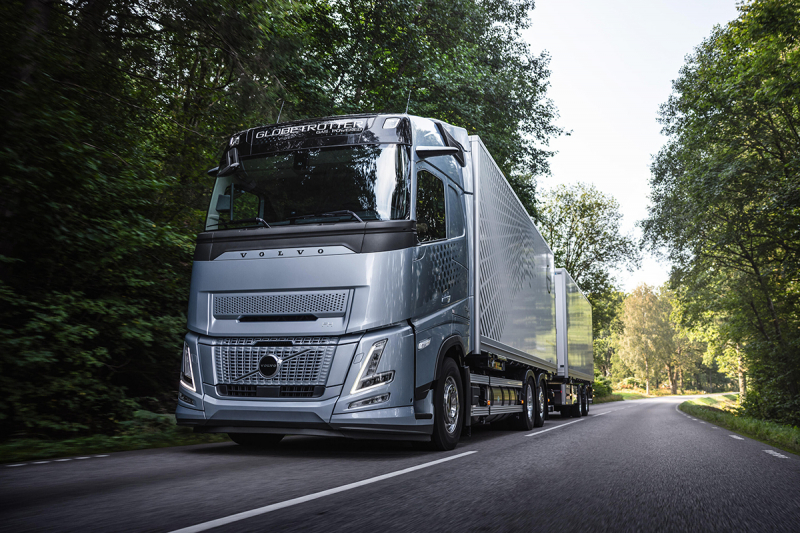
German transport company Reinert Logistics has ordered 500 gas-powered Volvo FH Aero trucks, marking Volvo Trucks’ largest order to date for gas-powered vehicles. Deliveries will begin in 2027.

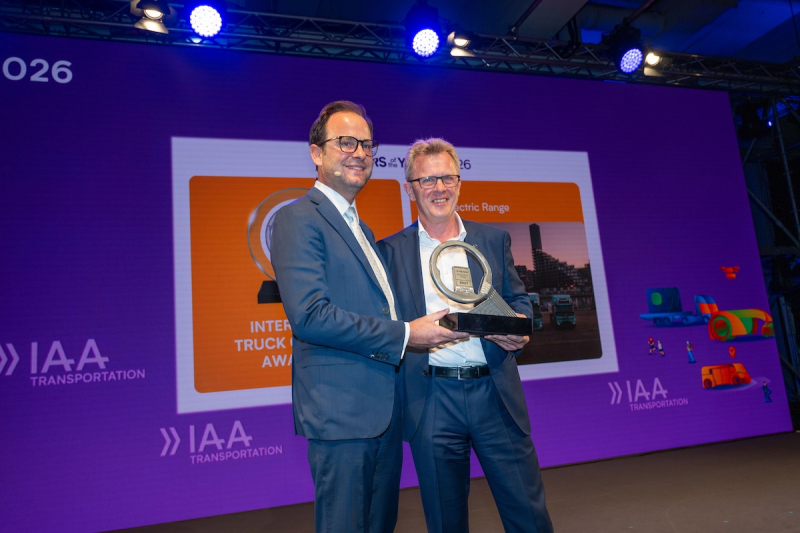
The contract was signed at the IAA Transportation exhibition in Hanover, Germany. Reinert Logistics made the decision after operating an initial fleet of 50 gas-powered Volvo trucks, citing positive experience in daily operations and fuel prices.
“We recognized early on that bio-LNG was the right solution for us. Being able to operate our trucks with a locally produced fuel made from manure, organic waste or biogenic residues is simply brilliant. Our experience in daily operations has reinforced our determination to continue consistently along this path – also because Volvo Trucks has an excellent service network for gas-powered trucks,” said René Reinert, founder and owner of Reinert Logistics.
Volvo Trucks has delivered more than 10,000 gas-powered trucks worldwide. Gas engines are available in its heavy-duty FM, FH and FH Aero ranges, which can run on conventional liquefied natural gas (LNG) or bio-LNG produced from organic waste.
According to Volvo, 2025 was its strongest sales year to date for gas-powered trucks, and the company expects sales to grow further in 2026.
“We see a strong demand for our gas-powered trucks and we are pleased and honored to have Reinert Logistics as a customer and partner,” says Jan Hjelmgren, Head of Product Management at Volvo Trucks.
Range of up to 1,000 kilometres
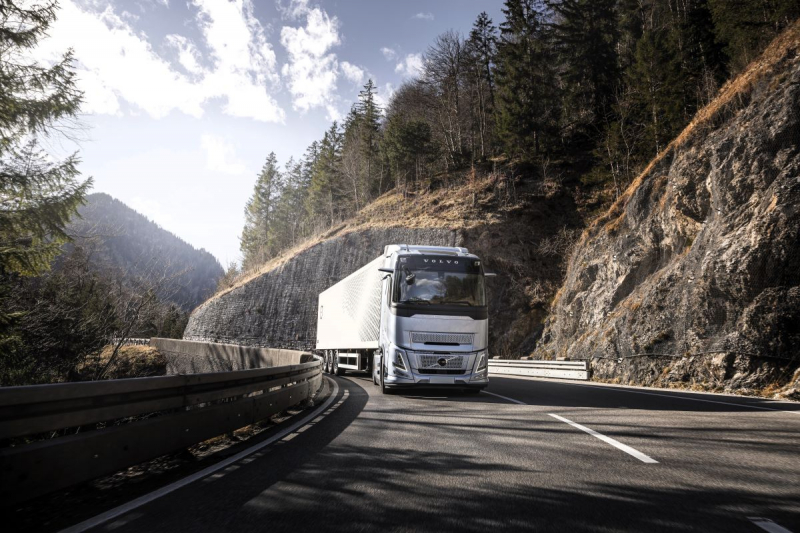
Volvo states that its gas-powered trucks offer a range of up to 1,000 kilometres on a single tank, depending on operating conditions, vehicle weight and driving style. Applications include long-haul transport, regional distribution and construction operations.
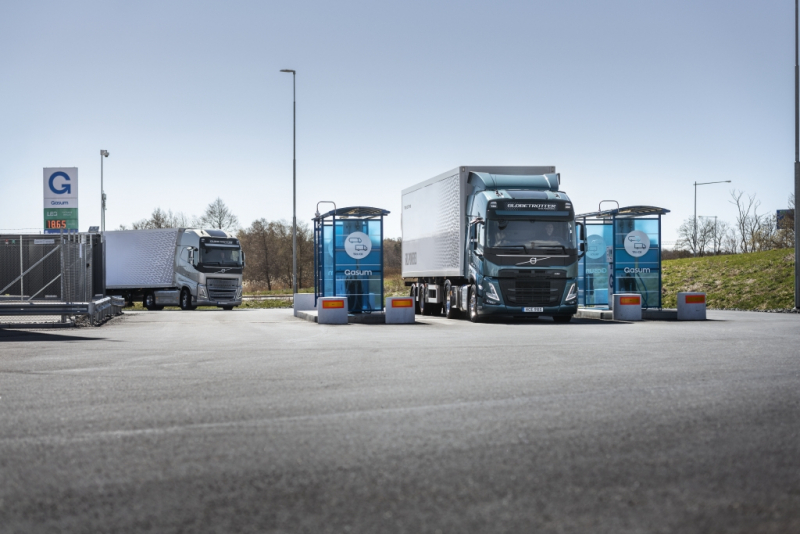
The availability of bio-LNG is expanding in several European markets. According to figures cited by Volvo from the German Gas and Hydrogen Industry Association, bio-LNG accounted for approximately 98.5 per cent of fuel sold at German LNG filling stations in 2025.
Volvo says bio-LNG can enable CO₂ emission reductions of up to 100 per cent on a well-to-wheel basis. This refers to emissions across the fuel’s production and use, rather than an absence of exhaust emissions. The company also highlights fuel prices, public support and tax incentives as factors affecting the operating costs of gas-powered trucks.
Volvo Trucks’ decarbonisation strategy includes battery-electric trucks, fuel-cell electric trucks and combustion engines running on renewable fuels.